

Benazir Bhutto: The First Female Head of a Muslim Nation
As a woman, as a politician, as a leader, how much room is there for idealism in political leadership and achieving your goals?
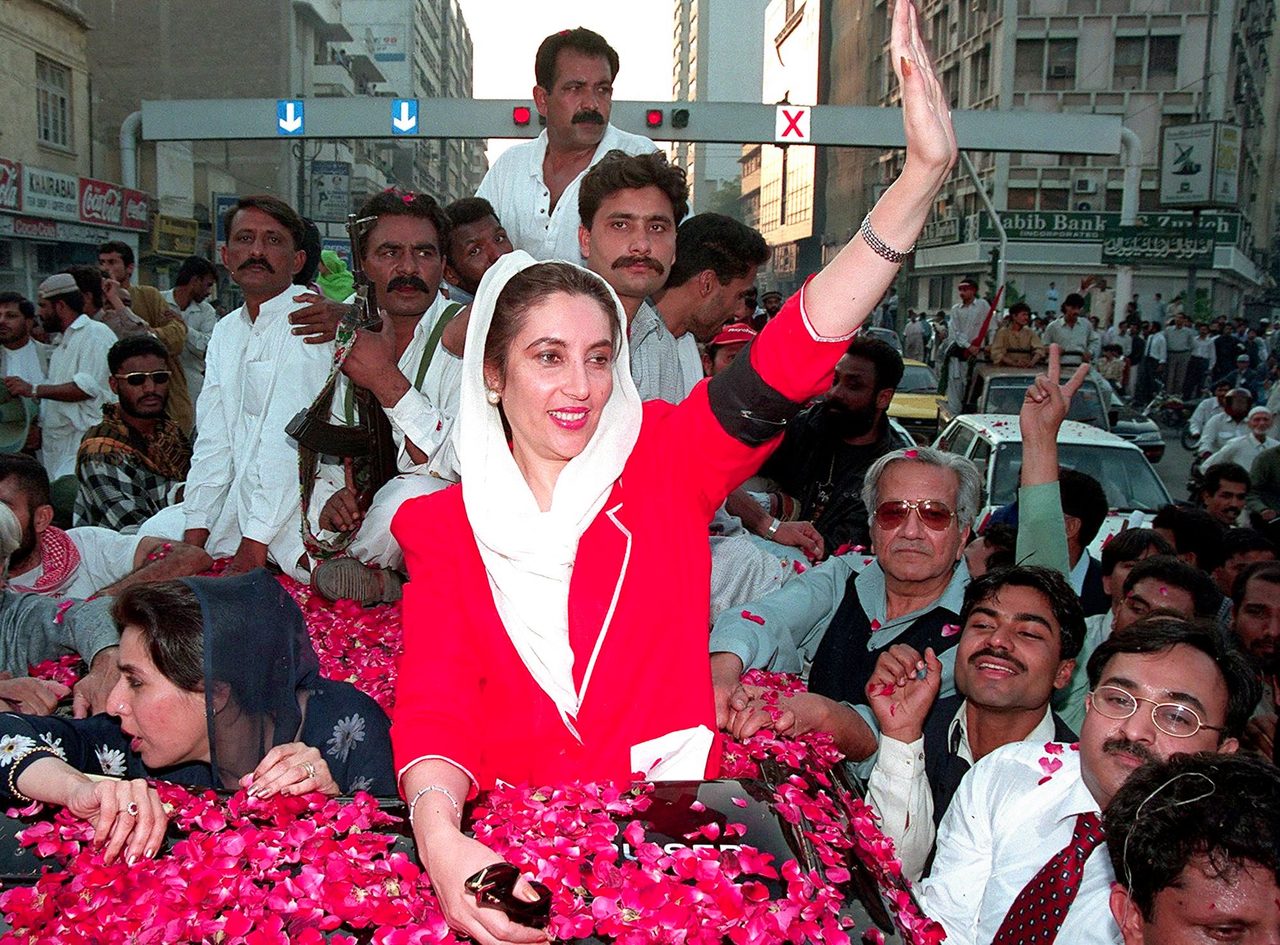
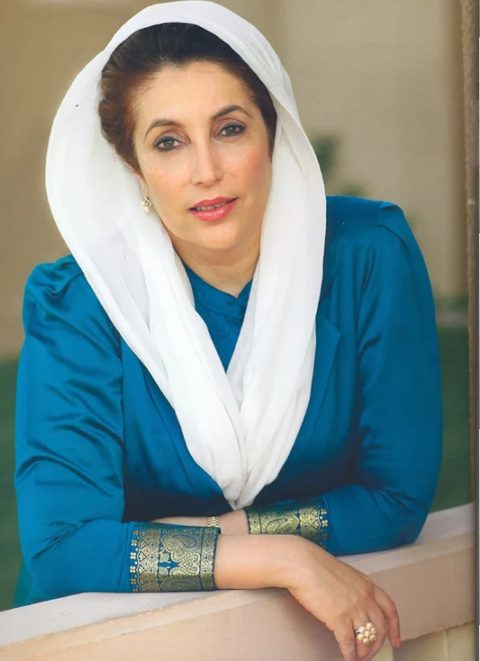
Benazir Bhutto was a Pakistani political leader, the first woman in modern times to head the government of an Islamic state.
She was chair of the Pakistan People's Party (PPP), having twice been prime minister of Pakistan: from 9 December 1988 to 6 August 1990, and from 19 October 1993 to 5 November 1996.
She was married to Asif Ali Zardari, who served as president of Pakistan from 2008 to 2013 and again from 2024.
In 1977 she returned to Pakistan after completing her studies and led the political opposition to President General Zia-ul-Haq after the execution of her father, Zulfikar Ali Bhutto. She subsequently endured frequent house arrest from 1979 to 1984.
Having been allowed in 1984 to return to the United Kingdom, she became a leader in exile of the PPP, her father's party. On 16 November 1988, in the first open election in more than a decade, the PPP won and Bhutto became prime minister.
During her work as head of government, Bhutto's accomplishments were in initiatives for nationalist reform and modernisation, which some conservatives characterised as Westernisation. Bhutto released political prisoners and took other steps to restore fundamental human rights. She was concerned with women's social and health issues, including discrimination against women. She also demonstrated considerable skill in winning international diplomatic and economic support for Pakistan.
Editor's note: this article is republished from the organization's 2023 blog. Minor typographical and date errors have been corrected against the biography on this site; the description of Asif Ali Zardari's presidency has been updated for accuracy. Office-holders and titles are otherwise as at the date of first publication.